A 6-foot beautiful but broken sea star ravaged by wasting disease. A contour map overlaid with poetic riffs on geologic time. Photographs of neon rectangles illuminating a dense forest to highlight the effects of forest fire. A jewel box installation of a kelp forest. An everyday business suit crafted from a silver emergency wildfire shelter.
Western Washington University’s Sustainability Pathways program, now in its seventh year, welcomed its largest cohort yet for summer 2026: 22 undergraduates working with 20 organizations, agencies and non-profits in the Methow and Okanogan valleys on projects focused on the environment, health and well-being, social equity and economic vitality.
The air you breathe when you step out your front door can sometimes be different than the air a few blocks away or across town. But how different? For the first time in Washington’s history, Ecology will be able to answer that in greater detail, thanks to a new study funded by the Climate Commitment Act (CCA). This winter, a fleet of specialized air monitoring vehicles will hit the streets in over 20 overburdened communities and participating Tribal Nations as part of a one-time, year-long High Resolution Mobile Monitoring study.
Last summer, campers of ages three to six returned to NSEA’s campus for another great year of Camp Keystone. Camp ran for 10 weeks, each one full of laughter, crafts, games, and lots of creative play in the outdoors. Both new and returning campers spent their days outside, learning about the natural world through open-ended exploration.
Every beach cleanup turns up something unexpected. This season, one of our volunteers found a message in a bottle. It was sealed, weathered, and clearly written with great care. Let’s just say it wasn’t a love letter, and we won’t be reprinting it here.
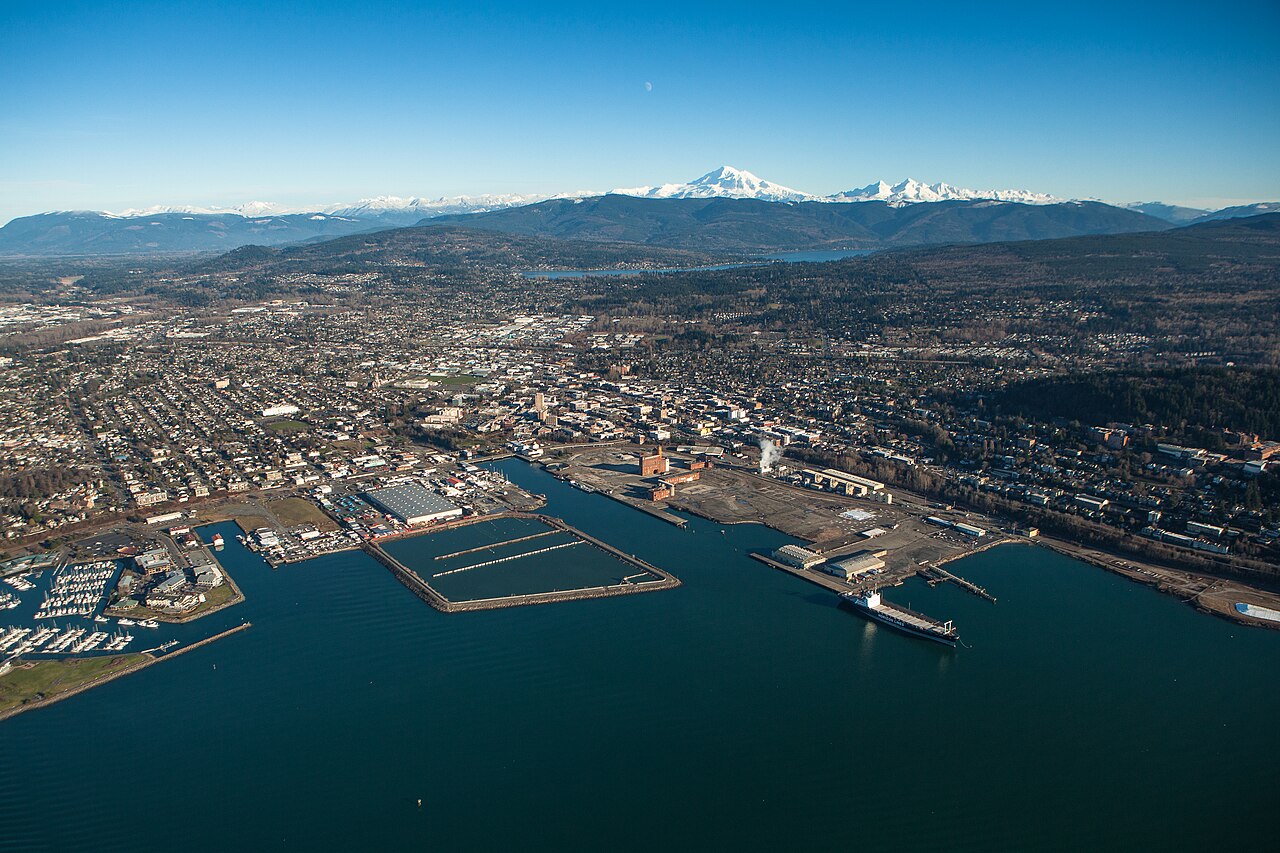
Cleanup investment around Bellingham Bay has exceeded $300 million, according to a September 23 update from the Washington Department of Ecology marking three decades of coordinated work.